
Influencer marketing changes with the way people think, shop, and interact online. As consumer behaviour changes, influencer marketing changes too.
Today, people discover products, build opinions, and make buying decisions very differently compared to a few years ago. Attention spans are shorter, people consume content faster, and trust is no longer built only through traditional advertisements. Instead, people trust creators they follow regularly and connect with on a personal level.
Audiences have also become more aware and selective. They know what they like, what they want to see, and what feels fake or overly promotional. People now prefer content that feels natural, useful, and relevant to their daily lives.
Because of these changes, influencer marketing is also evolving. Brands are now focusing more on trust, storytelling, real experiences, and content that feels relatable. At the same time, AI and new technology are changing how influencer campaigns are planned and managed. From finding the right creators to tracking campaign results, everything is becoming faster and smarter.
All these changes are encouraging brands and marketers to rethink their influencer strategies. As a result, several new influencer marketing trends are emerging in 2026, while some important influencer marketing trends from 2025 are continuing to grow.
At Creatify Media, we understand how quickly the industry is changing, which is why, as a leading influencer marketing agency, we continuously help brands adapt to new trends and build campaigns that connect with the right audience.
Let’s explore the biggest influencer marketing trends shaping 2026.
Top Influencer Marketing Trends in 2026
1- Video Content Will Continue to Dominate
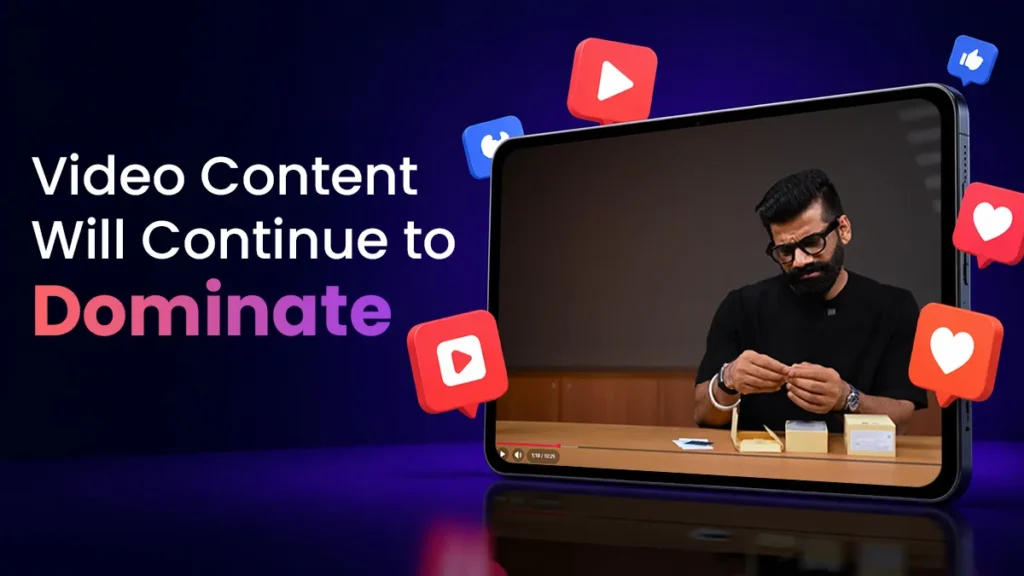
Video content will continue to be one of the biggest influencer marketing trends in 2026. A major share of internet traffic now comes from video, showing that people prefer watching content instead of reading long text. From reels and livestreams to tutorials and short-form videos, audiences spend more time engaging with video content.
For brands, this means video is one of the best ways to grab attention, increase engagement, and build stronger connections with audiences.
At Creatify Media, we believe brands that focus more on creator-led video campaigns will see better reach and stronger results in 2026.
2- Rise of Micro and Nano Influencers
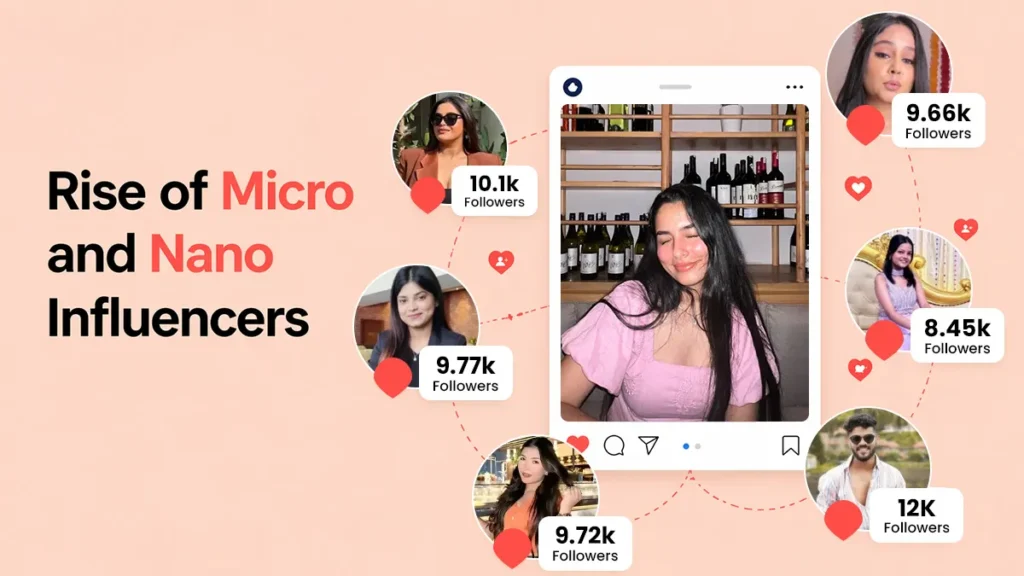
Micro and nano influencers will continue to be one of the biggest influencer marketing trends in 2026. These creators usually have smaller but highly engaged audiences, which makes them more relatable and trustworthy.
Brands are increasingly choosing micro and nano influencers because they help create more authentic campaigns and stronger audience connections. They are especially useful for niche, local, and regional campaigns where trust and community matter more than follower count.
At Creatify Media, we believe micro and nano influencers will play a major role in helping brands achieve better engagement and more genuine interactions in 2026.
3- Leveraging User-Generated Content
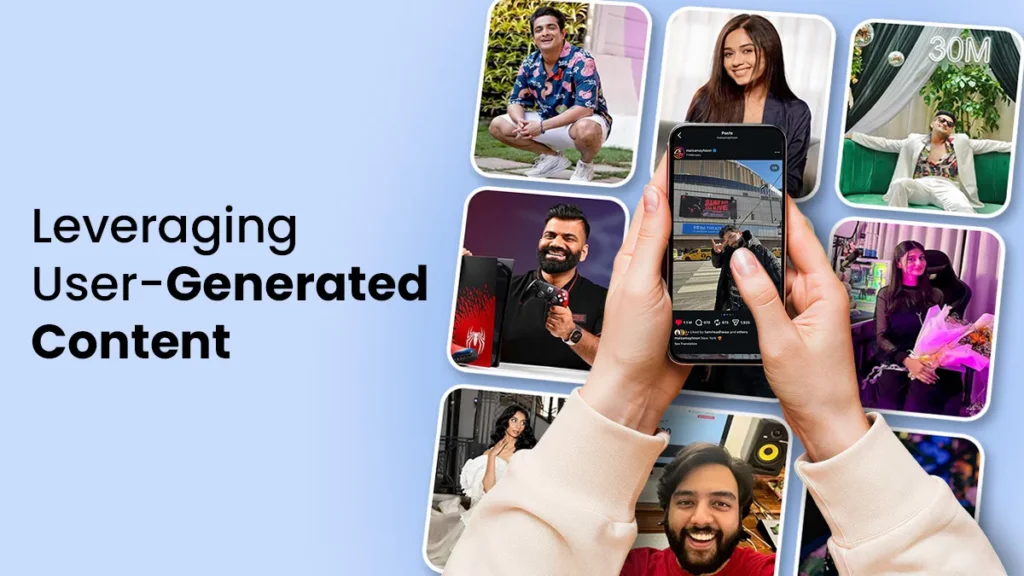
User-generated content will remain one of the top influencer marketing trends in 2026. Content created by real users feels more genuine and believable than highly polished brand posts, which is why audiences connect with it more easily.
People trust reviews, experiences, and recommendations shared by other users because it feels more natural and relatable. User-generated content also helps brands build a stronger sense of community and encourages more people to engage with the brand.
At Creatify Media, we believe brands that include more user-generated content in their influencer campaigns will see stronger trust and better engagement in 2026.
4- Evolving Role of AI and Technology
AI and technology will continue to shape influencer marketing trends in 2026. Brands are increasingly using AI tools to improve audience targeting, personalize content, track performance, and understand consumer behaviour more effectively.
With smarter dashboards and analytics tools, marketers can now make faster decisions, find the right creators, and optimize campaigns based on real-time data. This helps brands create more effective influencer strategies and improve campaign performance.
At Creatify Media, we believe AI-powered tools will play a major role in helping brands run smarter and more data-driven influencer campaigns in 2026.
5- Honest, Unfiltered Storytelling
Audiences in 2026 are paying more attention to content that feels real instead of overly polished. They want to see behind-the-scenes moments, honest opinions, unique experiences, and real-life product use rather than just perfect-looking content.
Because of this, brands and influencers are focusing more on authentic storytelling. They are sharing how products fit into everyday life, what they genuinely like about them, and why they use them. This makes the content feel more relatable and helps build stronger trust with audiences.
6- Expert Content by B2B Influencers
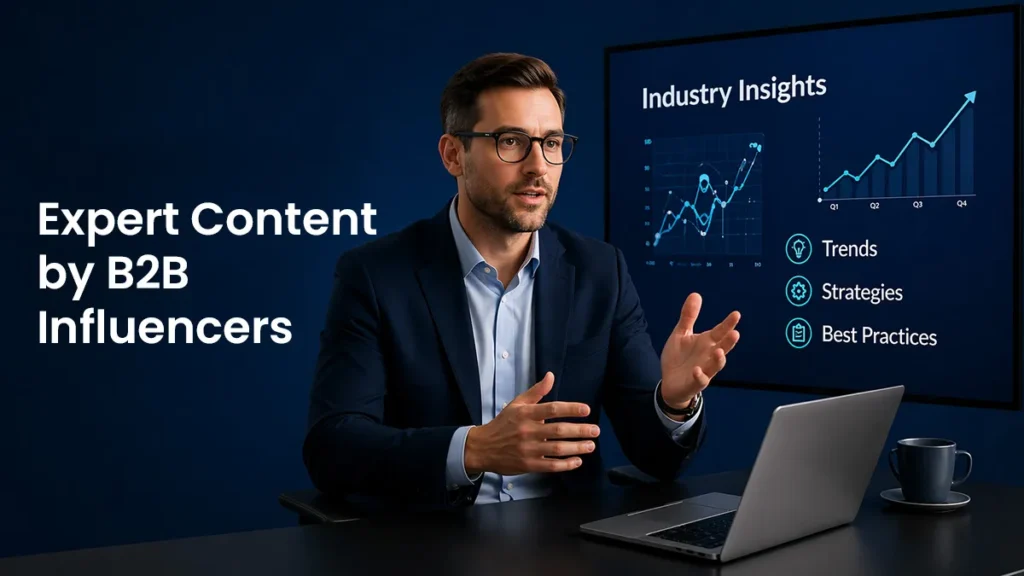
Expert-led content will become one of the important influencer marketing trends in 2026, especially for B2B brands. More companies are now partnering with industry experts, professionals, and niche creators who already have the trust of business audiences.
B2B influencer content usually focuses on practical insights, real use cases, explainers, and problem-solving discussions. This helps brands build credibility, start meaningful conversations, and connect better with decision-makers.
7- Co-Created Brand Experiences
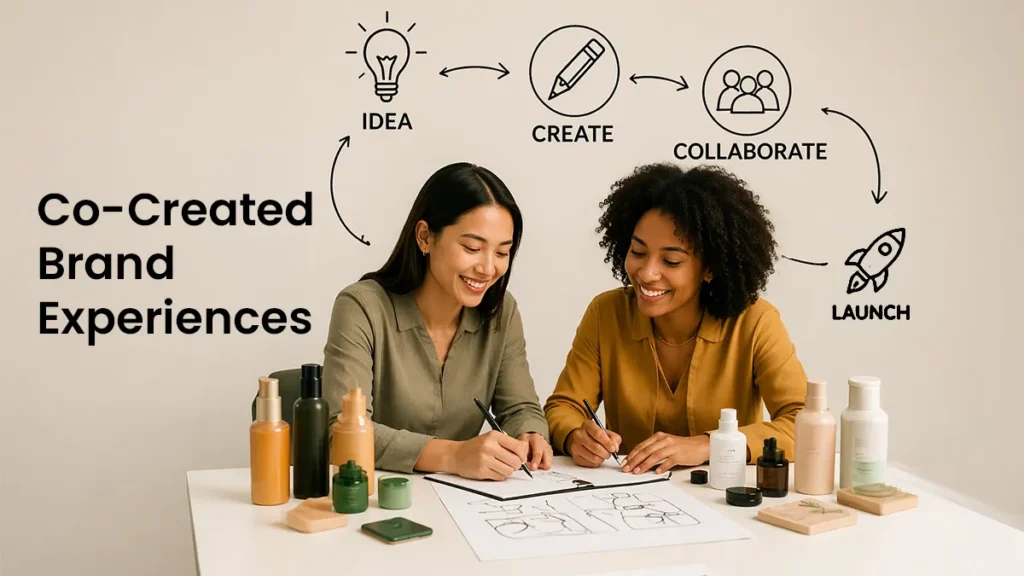
Co-created brand experiences will become one of the fastest-growing influencer marketing trends in 2026. Brands are now moving beyond simple sponsored posts and creating real experiences with influencers through events, trips, product launches, and immersive activities.
These experiences help audiences feel more connected to the brand because they get to see creators sharing real moments, reactions, and behind-the-scenes content. This makes the brand feel more relatable and memorable.
For example, when Netflix promoted the show Wednesday, it invited creators like Apoorva Mukhija to an immersive event experience. The creators shared live moments, themed activities, and their reactions with followers, making audiences feel like they were part of the launch instead of just watching an advertisement.
8- Increased Use of Analytics Tools
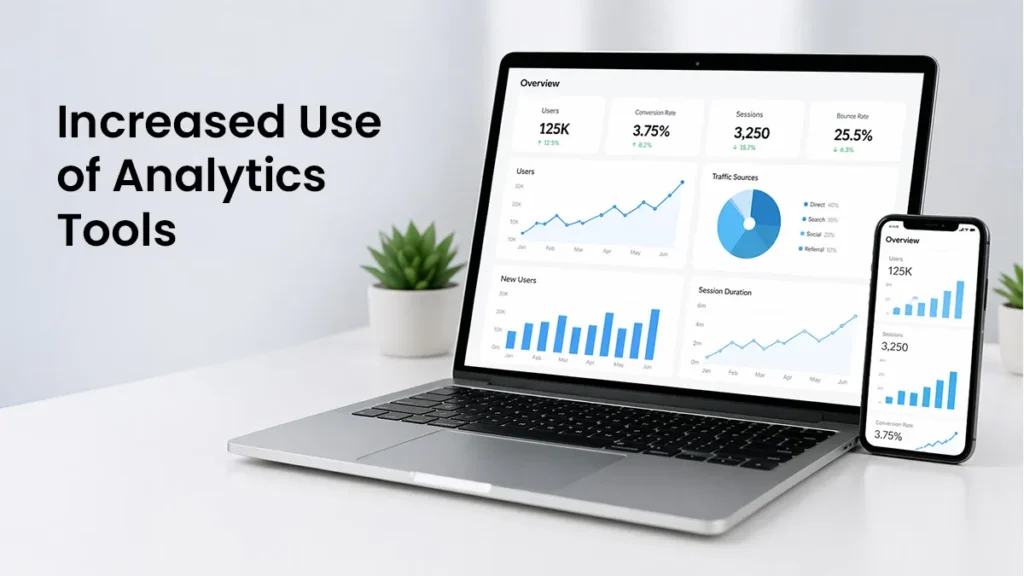
The use of analytics tools will become one of the major influencer marketing trends in 2026. Brands are now relying more on advanced dashboards and tracking tools to understand audience behaviour, campaign performance, and overall ROI.
These tools help marketers measure engagement, identify the right audience, track creator performance, and improve future campaigns based on real data. With better analytics, brands can make smarter decisions and create more targeted influencer strategies.
At Creatify Media, we believe brands that use stronger analytics and performance tracking will be able to improve campaign effectiveness and get better results in 2026.
9- Focus on Long-Term Partnerships

Long-term partnerships will continue to be one of the key influencer marketing trends in 2026. Instead of working with creators for just one campaign, more brands are building long-term relationships with influencers to create stronger trust and consistency.
When audiences see the same creator talking about a brand over time, the partnership feels more genuine and believable. This helps brands build better loyalty, stronger engagement, and a deeper connection with their audience.
At Creatify Media, we believe long-term influencer partnerships will help brands achieve more lasting results in 2026.
10- Rising Importance of Social Responsibility
Social responsibility will become one of the important influencer marketing trends in 2026. Audiences today want to support brands that care about more than just selling products. Topics like sustainability, social causes, ethical practices, and community support are becoming more important than ever.
This trend is especially strong among younger audiences like Millennials and Gen Z, who prefer brands that align with their values. Influencer campaigns that focus on meaningful causes can help brands build stronger trust, credibility, and emotional connections with their audience.
11- Integration of Virtual and Augmented Reality
Virtual reality and augmented reality will become bigger influencer marketing trends in 2026. Features like virtual try-ons, interactive filters, and product demos help audiences experience products in a more engaging way.
These technologies make content more immersive and help brands tell better stories while giving consumers a more interactive experience
12- Enhanced Personalization Through Data
Personalization will continue to grow as one of the biggest influencer marketing trends in 2026. Brands are using audience data and campaign insights to create more relevant and targeted content.
This helps influencers create content that matches audience interests, behaviours, and preferences, making campaigns more effective and engaging.
At Creatify Media, we believe data-driven personalization will help brands build stronger audience connections and improve campaign performance in 2026.
13- Rise of Influencer-Owned Brands
More influencers are launching their own brands in 2026. Since creators already have loyal followers and strong personal connections with their audience, it becomes easier for them to promote their own products and businesses.
This is becoming one of the fastest-growing influencer marketing trends because audiences trust products that feel closely connected to the influencer’s personal style and values.
14- Utilizing Influencers for Market Research
Influencers are no longer just helping brands promote products. In 2026, they are also becoming useful sources for market research.
Brands can study audience comments, engagement, feedback, and content performance to understand what people like, dislike, and expect from products. This helps businesses make smarter decisions and improve future campaigns.
15- Integration of Influencers in Product Development
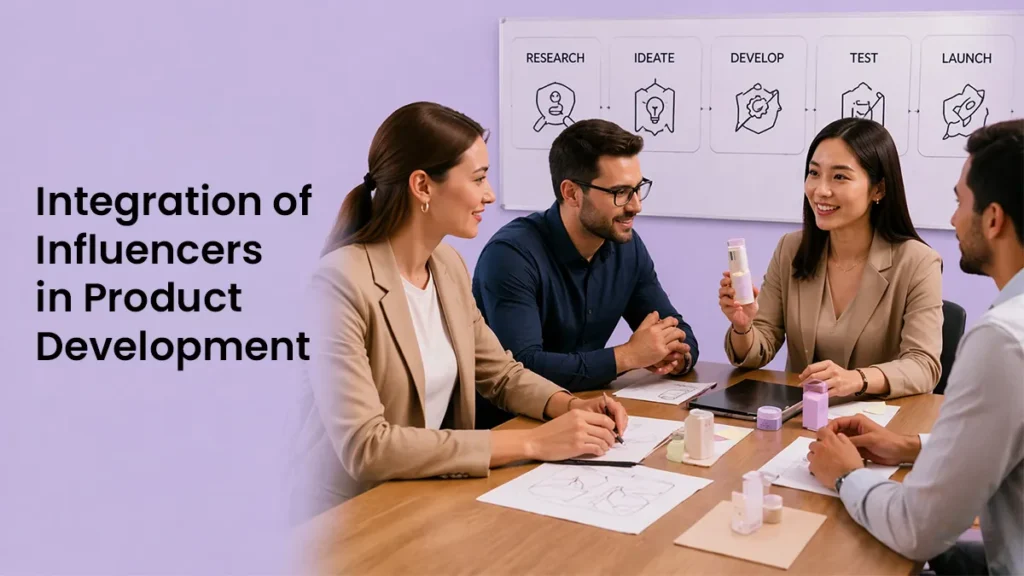
Influencers are becoming more involved in product development in 2026. Brands are now taking feedback from creators and their communities before launching new products.
This helps brands create products that match real customer needs and preferences. It also makes product launches more successful because the audience already feels connected to the product before it is released.
For example, Tarini Peshawaria worked with BBlunt to co-create haircare products based on real audience needs and feedback.
To Conclude
As digital platforms and consumer behaviour continue to change, influencer marketing trends will keep evolving as well. Brands and marketers need to stay updated and adapt quickly to remain relevant and competitive.
Working with an experienced influencer marketing agency can make this easier, as they can help brands identify upcoming trends, choose the right creators, manage campaigns effectively, and handle important campaign requirements. At Creatify Media, as a leading influencer marketing agency, we help brands stay ahead of changing trends and build influencer campaigns that deliver long-term results.